How Oncology Massage and Post-Surgical Rehabilitation Support Healing
Recovering from cancer treatment or surgery is about much more than healing an incision or completing a medical procedure. Many individuals continue to experience joint stiffness, fluid swelling, localized discomfort, chronic fatigue, and mobility challenges long after their medical clearance. While these issues are incredibly common, they can significantly impact your daily activities and overall quality of life.
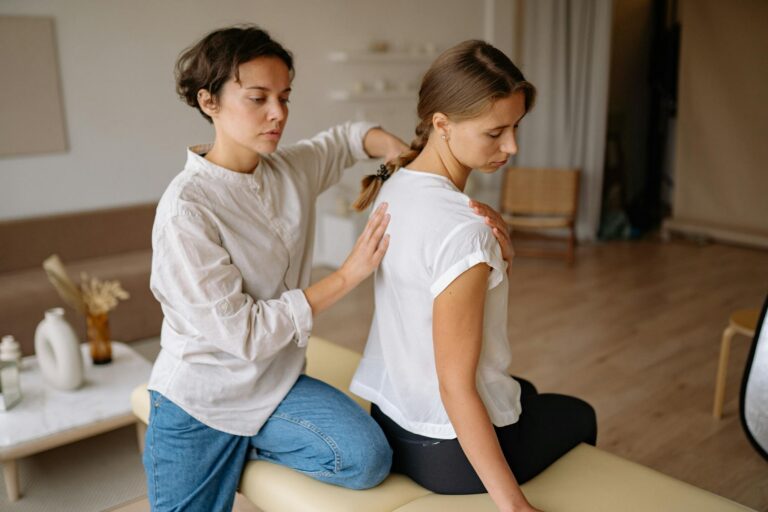
At Back In Motion in Winnipeg, specialized rehabilitation services bridge the gap between acute medical treatment and your return to everyday life. Through oncology massage, lymphedema management, post-surgical rehabilitation, and targeted care for Myofascial Pain Syndrome (MPS), therapist Lori Roy and her team provide individualized care designed to support tissue healing, improve fluid circulation, and restore your movement confidence.
Recovery Does Not End When Medical Treatment Does
Many people expect to instantly feel back to normal once a surgical procedure is complete or cancer treatment concludes. In reality, physical recovery is a gradual journey.
Surgeries, radiation therapy, chemotherapy, and prolonged periods of enforced rest all take a measurable toll on your muscles, joints, deep connective tissues, and lymphatic system.
It is very common to experience ongoing tightness, a reduced range of motion, chronic swelling, scar tissue restrictions, or persistent discomfort weeks and even months after your last medical appointment. These physical challenges can make simple tasks, such as reaching into an overhead cupboard, walking comfortably, exercising, or returning to the workplace, feel much more difficult than expected.
Specialized rehabilitation addresses these underlying changes by focusing directly on restoring fluid movement, improving soft tissue tolerance, and supporting your body’s natural regenerative processes.
The Clinical Value of Specialized Oncology Massage
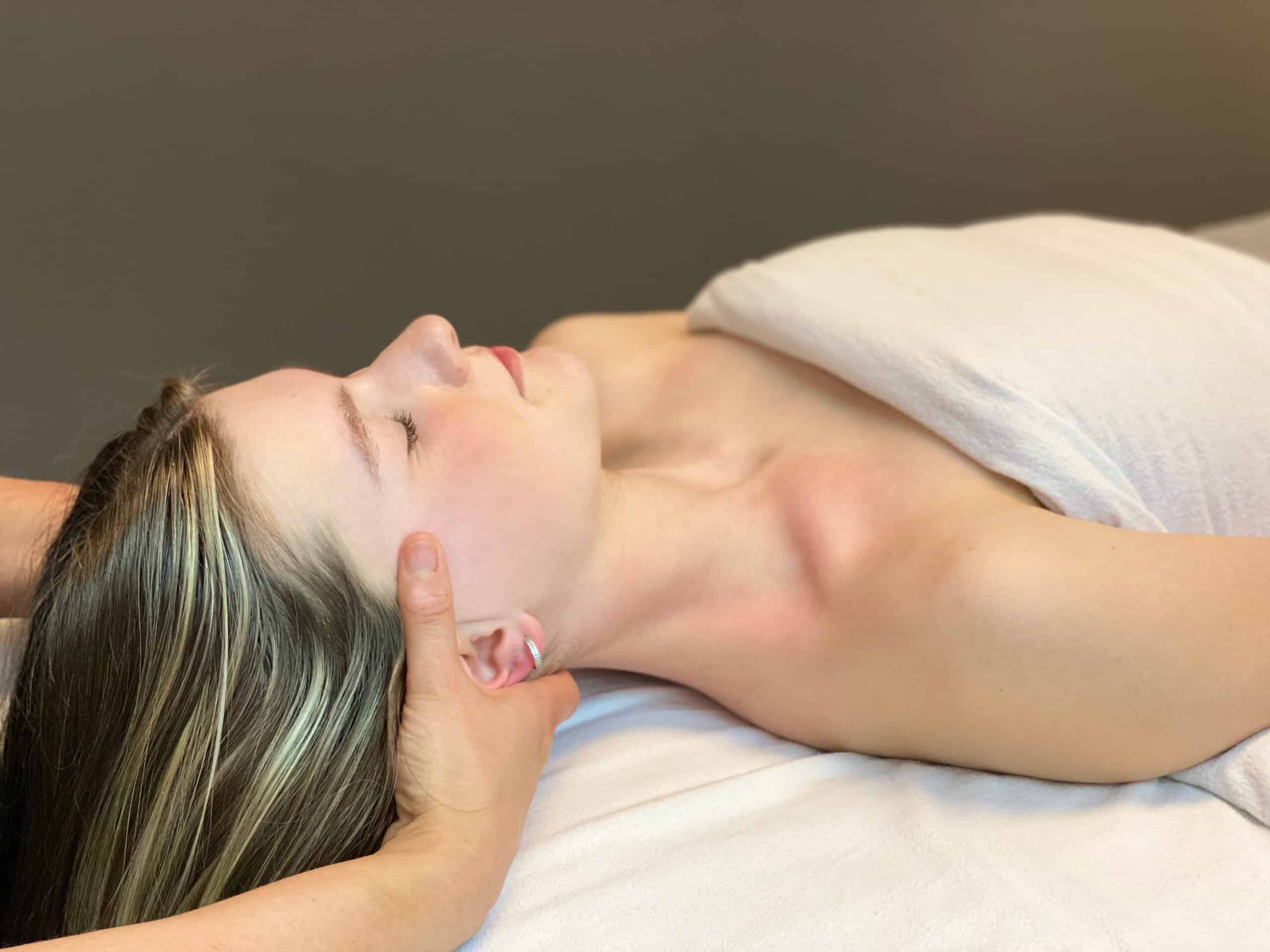
Oncology massage is a highly specialized branch of manual therapy developed specifically for individuals currently undergoing cancer treatment, recovering from recent interventions, or living with a history of cancer.
Unlike standard commercial massage therapy, oncology massage rejects a one-size-fits-all approach. Lori Roy carefully adapts every session based on your unique medical history, taking vital clinical factors into account:
- Surgical history and active incisions
- Current or past radiation treatment sites
- Chemotherapy side effects and daily fatigue cycles
- Medication use and blood clot considerations
- The structural risk of developing lymphedema
The primary objective goes far beyond basic relaxation. Oncology massage aims to provide safe, highly supportive care that directly modulates physical discomfort, eases central nervous system sensitivity, and helps you feel safely at home in your body during recovery.
Managing Lymphedema After Cancer Treatment
One of the most frequent side effects following cancer treatments involving lymph node removal or radiation therapy is lymphedema. This condition occurs when protein-rich lymphatic fluid accumulates within the body’s soft tissues, causing persistent swelling that typically affects the arms, legs, chest, neck, or abdomen.
Symptoms often begin as a subtle, gradual sensation:
- A persistent feeling of heaviness or tightness in a limb
- Visual swelling or a temporary indentation left when pressing the skin
- Reduced flexibility in nearby joints
- A feeling that clothing or jewelry fits tightly on one side
While lymphedema can become a long-term management journey, early clinical intervention drastically improves symptom control. Lori’s advanced training in specialized lymphedema therapy focuses on reducing swelling and optimizing fluid circulation.
By using Manual Lymphatic Drainage (MLD), customized compression strategies, targeted movement patterns, and comprehensive self-care education, we help you maintain comfort, protect skin health, and protect your functional independence.
Why Post-Surgical Rehabilitation Matters
Any surgical intervention places a significant physical demand on the body. While healing tissues require a dedicated period of protection, prolonged inactivity can simultaneously cause muscle weakness and joint stiffness.
Many patients are surprised to discover that even a highly successful surgery can leave behind long-term movement limitations if the surrounding soft tissues are not actively rehabilitated.
Post-surgical rehabilitation safely guides you through the healing process in a progressive, structured manner. Whether you are recovering from breast cancer surgery, lymph node dissection, a joint replacement, reconstructive surgery, or abdominal procedures, specialized manual therapy helps interrupt this compensation loop by safely restoring structural flexibility and tissue length.
Addressing Scar Tissue and Myofascial Pain Syndrome (MPS)
As the body heals from a surgical incision, it lays down collagen fibers to repair the tissue. However, this scar tissue often forms in a disorganized, restrictive pattern that can bind down surrounding fascial layers, causing a persistent sensation of pulling, tightness, or restricted movement.
This altered tissue tension can directly contribute to Myofascial Pain Syndrome (MPS). MPS involves localized, highly sensitive zones of neuromuscular tension within the muscles and connective tissues. Following surgery or cancer treatment, changes in posture, protective muscle guarding, and restricted mobility can cause these sensitive areas to lock up, sending a deep, radiating ache across surrounding regions.
Deep Fascial Release and Cupping Therapy
To address these deep fascial restrictions, Lori integrates specialized tools like cupping therapy into her rehabilitation plans.
By using controlled, gentle suction, cupping therapy physically lifts the skin and superficial fascial layers away from the underlying muscle. This negative pressure creates space between tissue layers, breaking up rigid scar tissue adhesions, improving local micro-circulation, and desensitizing hyperactive nerve pathways to relieve the deep aches associated with MPS.
Moving Forward with Confidence in Winnipeg
Healing from a major medical event or a complex surgical procedure is rarely a straight line. True recovery involves rebuilding physical strength, restoring natural movement patterns, adapting to structural changes, and learning to fully trust your body again.
As a specialized therapist with advanced training in oncology rehabilitation, lymphedema care, and chronic post-surgical tension, Lori Roy understands the unique physiological challenges you face. Every treatment plan is customized to respect your current medical timeline, prioritize your absolute safety, and support your personal functional goals.
If you are experiencing persistent swelling, mobility restrictions, scar tissue discomfort, or ongoing muscular tightness, you do not have to navigate your recovery alone.
Contact us today to schedule your specialized assessment with Lori Roy, and discover how a targeted, compassionate approach can help move you from recovery toward true renewal.