Why Your Body Feels More Stiff and Painful in Winter
Winnipeg winters are famous for their intensity, but the drop in temperature brings more than just heavy snow. For many, the first deep freeze marks the beginning of a cycle of nagging back pain, rigid joints, and muscle tension.
If you feel like your body is “locking up” as the thermometer dips, you are describing a biological reality rather than a coincidence. Cold weather changes how our muscles, joints, and nervous systems function. At Back in Motion in Winnipeg, we focus on identifying the specific mechanics behind your winter stiffness. By combining physiotherapy, massage, and acupuncture, we help you transition from simply enduring the season to staying active and resilient throughout it.
The Biological Mechanics of Winter Body Pain
Understanding why the cold causes physical discomfort is the first step toward managing it. Your body has several physiological responses to low temperatures that directly contribute to pain.
Cold Weather and Muscle Guarding
When you step into the freezing air, your body immediately attempts to conserve core heat. This leads to a phenomenon known as muscle guarding. Your muscles spontaneously contract and tighten to create a protective barrier. While this helps keep you warm, prolonged contraction leads to significant stiffness in the neck, shoulders, and lower back. This constant tension can aggravate existing conditions like osteoarthritis, muscle spasms, or even cervical spine stiffness.
The Role of Barometric Pressure
Joint pain often flares up during the snowstorms and cold snaps common in Winnipeg. This is frequently linked to changes in barometric pressure. When the atmospheric pressure drops, the tissues surrounding your joints can expand slightly. In joints already affected by osteoarthritis or inflammation, this micro-expansion creates increased pressure and sensitivity.
Decreased Joint Lubrication
Movement is the primary way your body lubricates its joints. Physical activity stimulates the production of synovial fluid, which acts as a natural oil for your cartilage. Because the winter months typically involve more sedentary time, your joints produce less of this fluid. The result is increased friction, leading to that “rusty” or “heavy” feeling in your knees, hips, and spine.
Common Winter Conditions We Treat in Winnipeg
At Back in Motion, we see a distinct shift in the types of injuries and complaints that come through our doors during the winter months.
Mechanical Low Back Pain
Inactivity is the leading cause of mechanical back pain. Shoveling heavy snow, sitting for longer periods, and walking on uneven, icy surfaces place unique demands on the lumbar spine. We focus on rebuilding core stability to ensure your back can handle these seasonal stresses.
Hip and Knee Osteoarthritis
Cold weather joint pain is particularly aggressive for those with arthritis. When the surrounding muscles are tight and the joints are cold, mobility decreases significantly. Our goal is to improve the strength of the muscles supporting these joints to take the pressure off the sensitive cartilage.
Tension Headaches and Neck Pain
Hunching your shoulders against the wind or gripping a steering wheel tightly on icy roads creates immense tension in the upper trapezius and neck muscles. This often manifests as persistent tension headaches that worsen as the winter progresses.
How Physiotherapy in Winnipeg Restores Movement
Physiotherapy is not just about reacting to pain; it is about building a body that can withstand the environment. Our approach at Back in Motion is centered on objective movement goals.
Restoring Mobility and Strength
We begin with a thorough assessment of your joint range of motion and muscle power. Treatment typically includes:
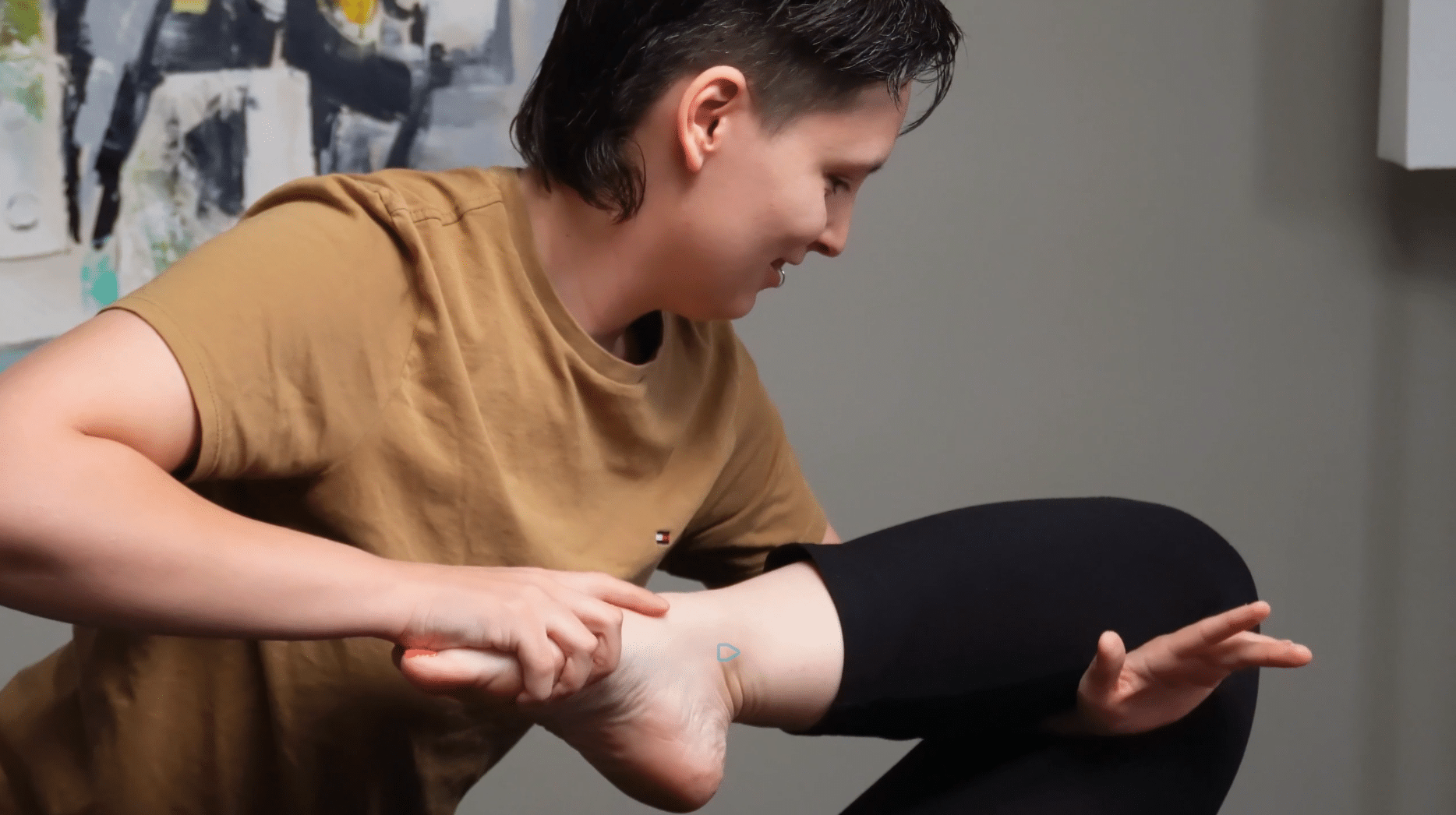
- Joint Mobilizations: Manual techniques to relax stiff segments of the spine or limbs and desensitize painful areas.
- Targeted Strengthening: Focused exercises to support vulnerable areas like the lower back and knees.
- Postural Retraining: Correcting the “slump” that often occurs during long hours of indoor desk work.
Advanced Modalities for Tissue Health
To combat the effects of the cold, we may utilize specialized tools to stimulate circulation and repair:
- Shockwave Therapy: Highly effective for chronic tendon issues that feel more brittle in winter.
- IMS or Dry Needling: Used to reduce muscle tension caused by chronic guarding and helps to calm the nervous system.
- Heat Therapy: Utilizing clinical heat to relax tissues before starting active rehabilitation.
The Benefits of Massage Therapy and Acupuncture
For many patients in Winnipeg, a multi disciplinary approach provides the fastest relief.
Massage Therapy for Muscle Guarding
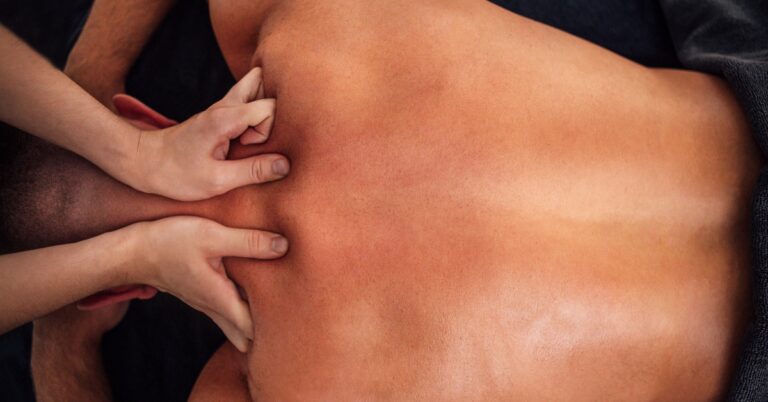
Massage is one of the most effective ways to break the cycle of cold induced muscle tension. By manually improving blood flow to the extremities, massage therapy helps flush out metabolic waste from tight muscles and lowers the overall “tone” of the nervous system. This is especially helpful for those who feel their shoulders are permanently hiked up toward their ears during the winter.
Acupuncture for Chronic Joint Pain
Acupuncture works by stimulating the nervous system to alter how pain signals are processed. For patients with long standing joint inflammation, acupuncture can help reduce the localized swelling and sensitivity associated with pressure changes. It serves as an excellent complement to the active exercises provided in physiotherapy.
Strategies for Managing Winter Stiffness at Home
While professional care is essential for underlying issues, your daily habits play a massive role in how you feel.
- The One Hour Rule: Never stay in one position for more than sixty minutes. Even standing up and performing ten gentle air squats can restart the production of synovial fluid in your joints.
- Pre-Outdoor Warmups: Before you head out to shovel or walk the dog, spend five minutes moving your joints. Arm circles, leg swings, and marching in place prepare your muscles for the cold.
- Hydration and Nutrition: We often forget to drink water in the winter because we aren’t sweating as much, but dehydrated tissues are more prone to injury and stiffness.
When to Seek Professional Support
You do not have to wait for the spring thaw to feel better. You should book an assessment at Back in Motion if:
- Your stiffness limits your ability to perform basic daily tasks or work.
- You are relying on over the counter pain medication more than twice a week.
- A previous injury is flaring up due to the cold.
- You find yourself avoiding activity because you are afraid of the pain.
Early intervention is the key to preventing a seasonal flare up from becoming a long term chronic issue. Millions of Canadians live with some form of chronic pain, and many of those cases could be mitigated with proactive movement strategies.
Conclusion: Take Control of Your Winter Health
Winter in Winnipeg is a test of endurance, but physical pain does not have to be a part of the experience. By understanding the mechanical causes of winter stiffness and utilizing a structured rehabilitation plan, you can maintain your strength and mobility all year round.
At Back in Motion, we are committed to providing patient centered care that targets the root cause of your discomfort. Whether you need the manual release of massage, the neurological support of acupuncture, or the functional strengthening of physiotherapy, we are here to help you move well.
Contact Back in Motion in Winnipeg today to book your assessment and start building a more resilient, pain-free body.