Reflexology: More Than Just Relaxation
While many view reflexology as a specialized foot massage, it is actually a therapeutic practice based on the principle that specific points on the hands and feet correspond to various organs and systems throughout the body. At Back in Motion in Winnipeg, we integrate reflexology as a functional tool for nervous system regulation, helping patients move from a state of chronic stress into a state of active recovery.
For those navigating persistent pain or high-stress lifestyles, reflexology offers a non-invasive way to influence the body’s internal environment. By applying targeted pressure to these reflex zones, we can trigger physiological changes that extend far beyond the feet.
Fun Fact: Reflexology is now covered under some major third-party insurance plans, making it more accessible than ever. Be sure to check your individual plan details to see if you’re eligible for coverage.
How Reflexology Influences the Nervous System
The primary benefit of reflexology is its ability to modulate the autonomic nervous system. In a modern environment, many people are stuck in a state of sympathetic dominance, otherwise known as the fight or flight response. This state increases muscle tension, slows down tissue repair, and heightens pain sensitivity.
Reflexology works by stimulating thousands of nerve endings in the feet. This sensory input travels to the brain and encourages a shift toward the parasympathetic nervous system, the rest and digest state. When the body enters this state:
- Cortisol levels decrease: Lowering the primary stress hormone that can interfere with healing.
- Circulation improves: Enhanced blood flow delivers oxygen and nutrients to tissues more efficiently.
- Pain modulation occurs: The brain begins to down-regulate the intensity of pain signals, providing relief for chronic conditions.
Beyond Relaxation: Clinical Benefits of Reflexology
Reflexology is a powerful alternative therapy in Winnipeg for individuals who may not be ready for or able to tolerate traditional manual therapy or intensive exercise. It serves as a bridge to recovery by addressing the systemic factors that contribute to pain.
1. Improved Sleep Quality
Restorative sleep is the cornerstone of physical recovery. By calming the nervous system and reducing the background noise of physical tension, reflexology helps patients achieve deeper sleep cycles, which are essential for muscle and bone repair.
2. Reduced Inflammation and Edema
Targeted pressure on specific reflex points can help stimulate lymphatic drainage. This is particularly beneficial for those experiencing swelling in the lower limbs or systemic inflammatory conditions that make movement difficult.
3. Management of Digestive and Hormonal Stress
Because reflexology targets zones linked to the endocrine and digestive systems, it can help alleviate the secondary symptoms of stress, such as digestive upset or hormonal imbalances, which often flare up alongside chronic musculoskeletal pain.
What to Expect During a Session at Back in Motion
A reflexology session is a targeted clinical treatment, not a generic spa experience. At Back in Motion, our practitioners assess your specific health history and recovery goals to determine which reflex zones require the most attention.
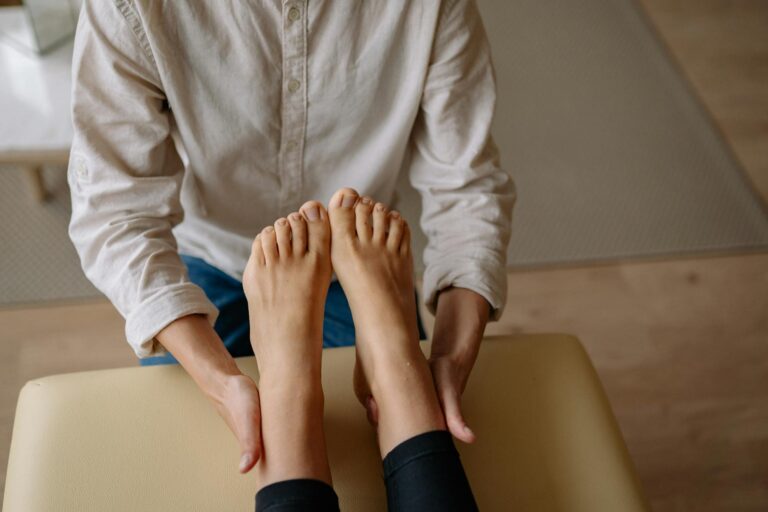
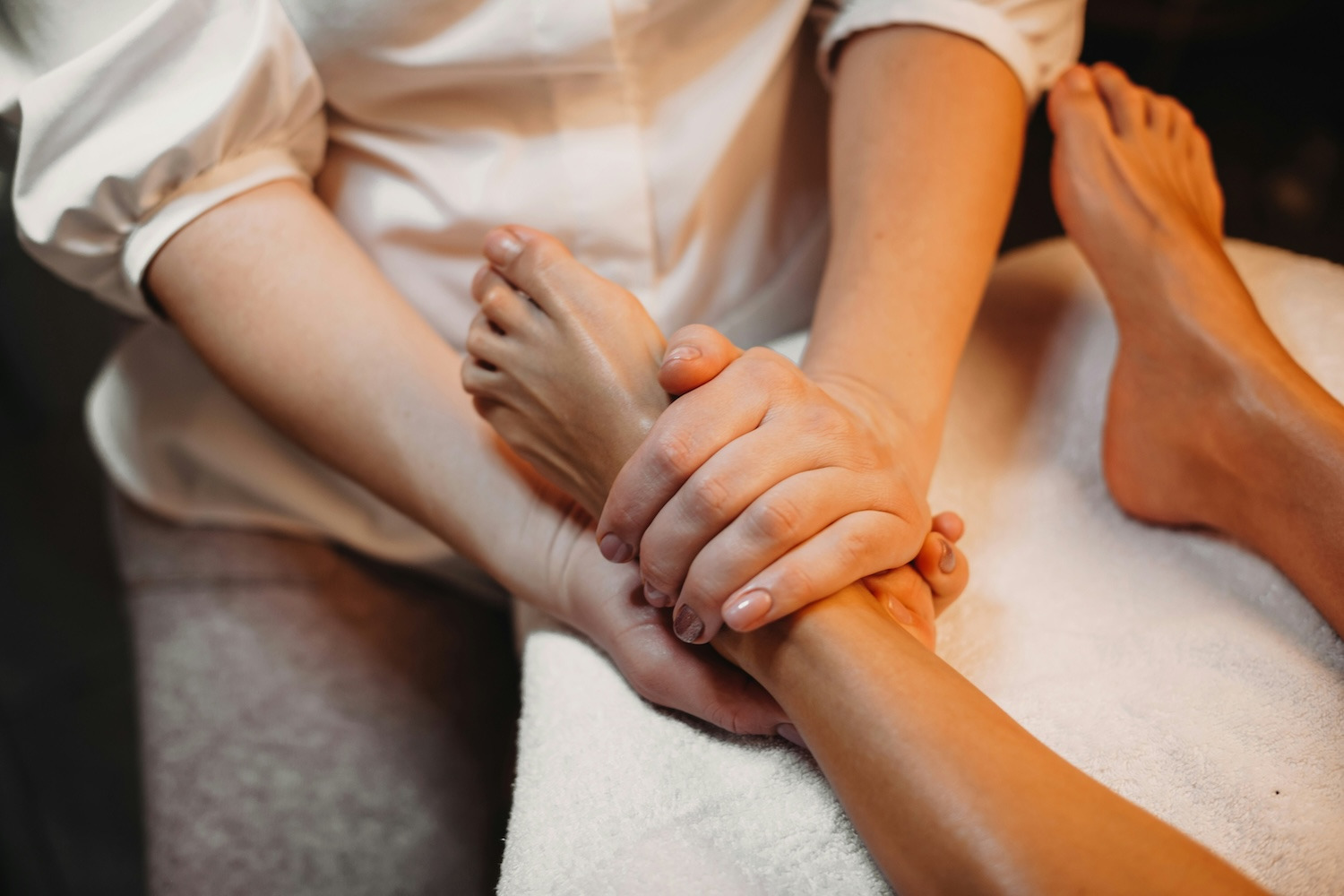
During the session your therapist uses specific thumb and finger techniques to explore the reflex maps of your feet. You may notice that certain areas feel more sensitive or “gritty” than others; these points often correlate with the areas of your body experiencing the most stress or congestion.
The Timeline of Improvement: What to Expect
One of the most frequent questions we receive at Back in Motion in Winnipeg is how quickly the effects of reflexology take hold. Because reflexology works directly with the nervous system, many patients experience an immediate shift in their state of arousal before even leaving the clinic. You may notice a significant decrease in heart rate, deeper spontaneous breathing, and a reduction in the immediate “sharpness” of chronic pain.
However, for systemic issues like chronic fatigue, digestive distress, or long-term inflammatory patterns, a series of four to six weekly sessions is often required to achieve a sustained reset. This cumulative effect allows the body to spend more time in the parasympathetic state, which is where the real work of cellular repair and hormonal regulation occurs.
The Gateway to Movement: Transitioning to Physiotherapy
While reflexology is a powerful tool for down-regulating pain and stress, it is primarily a passive therapy. For long-term functional benefits, it is essential to transition from this state of relaxation into active movement. This is where the integration with physiotherapy becomes important.
Reflexology creates a window of opportunity. By reducing protective muscle guarding and lowering your pain threshold, it makes the body more receptive to the strengthening and corrective exercises offered in physiotherapy. If you only address the nervous system without retraining the muscles and joints, the old patterns of tension are likely to return once you face the physical demands of daily life.
Integrating Reflexology into Your Wellness Plan
Reflexology is most effective when used as part of a comprehensive, holistic approach to health. It pairs exceptionally well with physiotherapy, as the relaxation gained from reflexology can make the body more receptive to movement retraining and strengthening exercises.
Whether you are recovering from an injury, managing a chronic condition, or simply looking to buffer the effects of daily stress, reflexology provides a unique pathway to balance. It is a therapy that respects the interconnectedness of the human body, recognizing that a change in the feet can lead to a change in the entire system.
Experience Reflexology in Winnipeg
If you are looking for an alternative therapy in Winnipeg that prioritizes both relaxation and physiological recovery, the team at Back in Motion is here to support you. We help you move past the surface symptoms to address the underlying nervous system patterns that influence how you feel and move every day.