
Myofascial Cupping
Release Tension, Restore Movement
Gentle suction therapy that frees up tight fascia, improves circulation, and eases stubborn muscle pain.
What Is Myofascial Cupping?
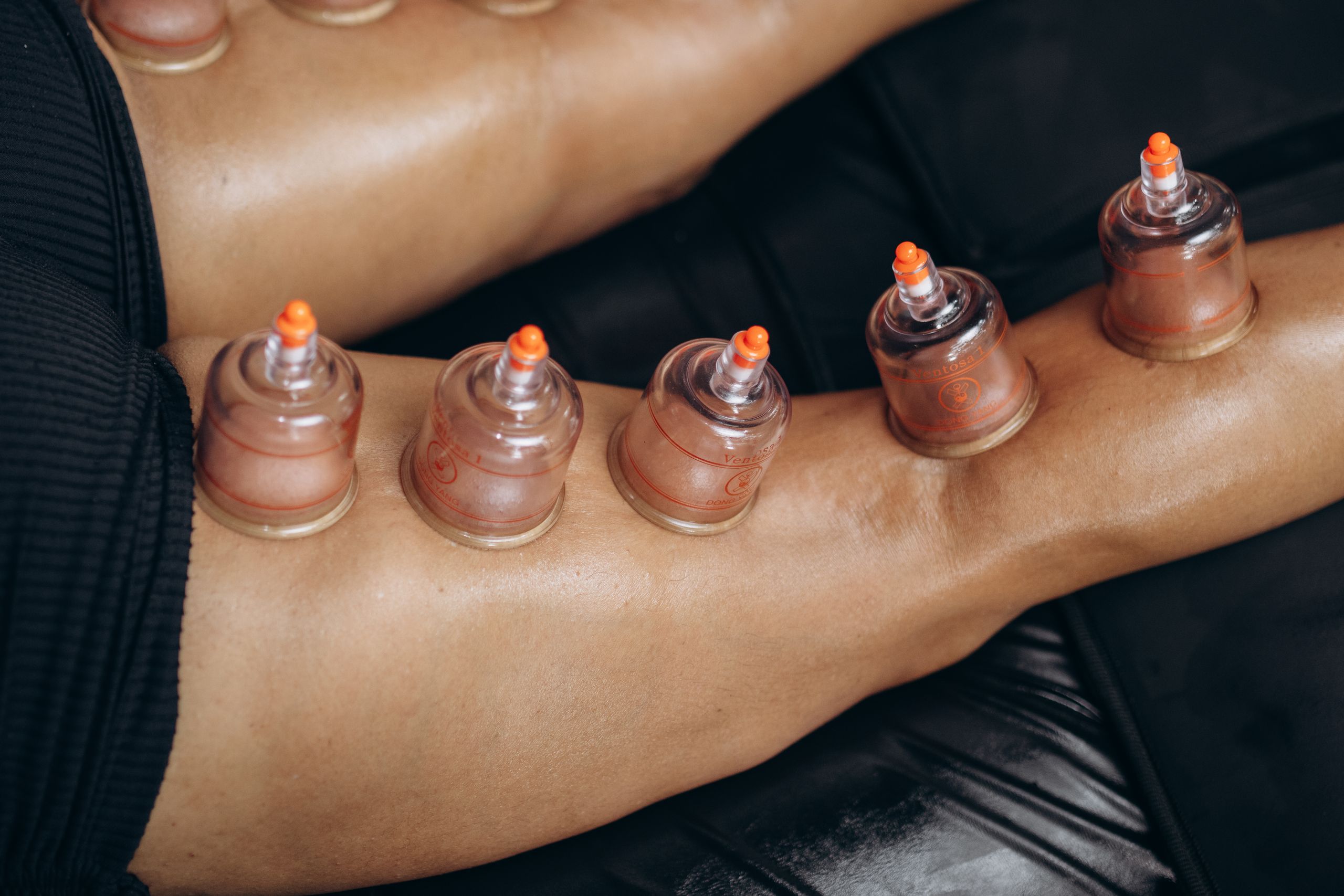
Myofascial cupping uses soft silicone or glass cups to create gentle suction that lifts the skin, fascia, and muscle underneath instead of pressing down on it.
At Back In Motion Wellness, Lori Roy combines cupping with hands on massage and Myofascial Point Stimulation (MPS) to release fascial restrictions, increase blood flow, and help tight tissue move freely again.

Who Can Benefit from Myofascial Cupping?
Tight or overworked muscles in the back, neck, and shoulders
Athletes and active people managing training loads
Desk workers with postural tension and stiffness
Chronic pain, tightness, or limited range of motion
Anyone recovering from injury or heavy physical work
Myofascial Cupping Techniques
Myofascial Point Stimulation (MPS)
Targets trigger points and fascial restrictions to release tension, calm the nervous system, and reduce pain.
Cupping Therapy
Static and gliding cups use negative pressure to decompress fascia, increase blood flow, and support lymphatic drainage.
What to Expect
Myofascial Cupping FAQs
Stress Less with Direct Billing
Myofascial cupping may be covered under your massage therapy benefits, depending on your insurance plan. At Back In Motion Wellness, we offer direct billing to many major insurance providers so you can focus on your recovery instead of the paperwork.
Not sure if your cupping sessions are covered? Contact us and we’ll help you understand your options before your appointment.


Ready to Move Without the Tension?
Take the next step toward looser muscles, better mobility, and easier movement.
Get in Touch With Us
Tuesday
Wednesday
Thursday
Friday
Saturday
Sunday
9 am – 9 pm
9 am – 9 pm
9 am – 9 pm
9 am – 9 pm
9 am – 5 pm
By appointment only